Speed to Lead: Why the First Contractor to Call Back Usually Wins the Job
Homeowners tend to hire whichever company calls back first. This is how to respond within minutes, even when you're on a roof or under a sink.

- Homeowners usually contact several companies at once, and the first real conversation tends to win.
- Aim to reach every new lead within five minutes during business hours.
- An instant text buys you time when you can't pick up the phone.
- Track your response time, contact rate and booking rate.
A homeowner's AC quits on a Saturday in July. They search, tap the first three ads or map listings they see, and fill out a form or leave a voicemail with each one. Then they wait.
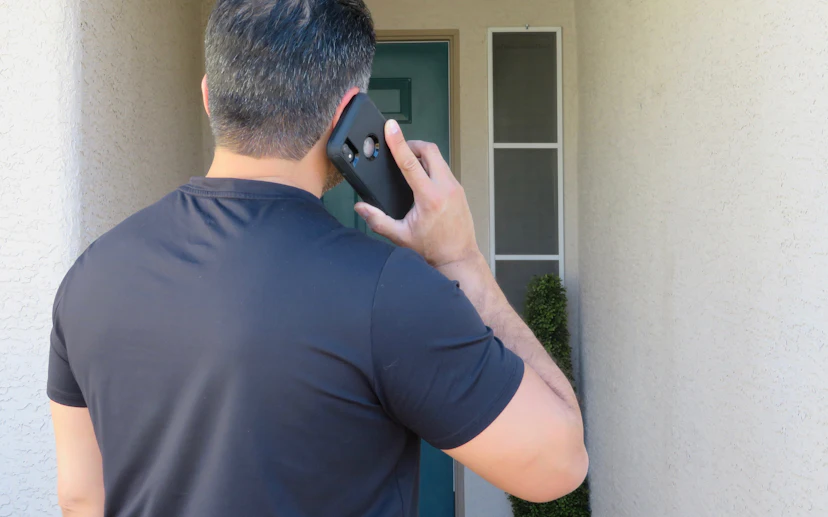
Whoever calls back first gets to ask the questions, set expectations and book the visit. By the time the second company calls, the homeowner often has someone on the way already. At that point they're comparing who showed up, and price hasn't come into it yet.
Calling back faster is called speed to lead, and most home service businesses could win more jobs with it without spending another dollar on ads.
Why speed matters more than price
When someone needs a plumber, a roofer or an electrician, they rarely want a long research project. They want the problem handled by someone who seems competent and available, and the first company to get them on the phone has the chance to show both.
Slow follow-up also wrecks your marketing math. If you pay for clicks on Google or Facebook, every lead you don't reach is money spent for nothing. Two businesses can run identical ads and get very different results because one picks up the phone and the other calls back tomorrow.
How fast is fast
Minutes. During business hours, aim to make a real contact attempt within five minutes of a lead coming in. Calling back within an hour still beats most of your competitors. "Sometime today" usually means you're calling a homeowner who has already booked someone else.
After hours the target changes, but the homeowner should still hear from you right away, even if a person can't follow up until morning.
Responding when you're on a job
Most owners will say, fairly, "I'm on a ladder all day. I can't answer every call." That's why speed to lead has to run on a system that works while you're on the job.
1. Send an instant text to every new lead
When a form comes in, an automatic text should go out with your name, your company and a clear next step. Something like:
The homeowner knows they've been heard, and they're much less likely to keep calling around.
2. Route new leads to whoever can answer
If you have an office manager, a spouse who helps with the books or a CSR, new leads should ring them first. If it's just you, set up notifications you can't miss and block a few minutes between jobs to call back.
3. Try more than once
Plenty of leads are lost because one call went to voicemail and nobody tried again. A simple follow-up sequence fixes this:
- Call immediately, then text if there's no answer.
- Call again later the same day.
- Text the next morning with a specific offer to book a time.
- Make one final attempt a few days later before closing the lead out.
It can feel pushy to the person making the calls. A homeowner with a broken water heater usually sees it as good service.
Qualify fast, book faster
A fast call only pays off if it ends with something on the calendar. Keep a short list of qualifying questions next to the phone: what's the problem, where is the property, how soon do they need it, and who makes the decision. Then offer two specific appointment times instead of asking "when works for you?"
Two specific options are easier to say yes to, and the homeowner often books on that first call instead of going back to shopping around.
Track three numbers
- Average response time: how long it takes from a lead coming in to your first contact attempt.
- Contact rate: the share of leads you spoke with.
- Booking rate: the share of contacted leads that became appointments.
A slow response time means the routing needs work. A low contact rate points to the follow-up sequence, and a low booking rate points to the script.
Where we come in
Follow-up is built into how we work at New Compass Media. We run your ads, contact and qualify the leads they produce, and book appointments onto your calendar, so response time doesn't depend on you getting off the ladder. If you want to see where leads are slipping through your current process, book a free call and we'll go through it with you.
Drew is the owner and lead strategist at New Compass Media. He builds the websites, ad campaigns and follow-up systems that keep local home service businesses booked, and writes about what's working for the contractors he works with.